
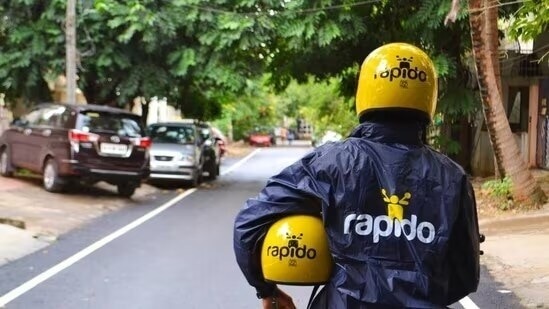

Commuters across India may face travel disruptions on Saturday, February 7, as drivers associated with app-based ride-hailing platforms Ola, Uber and Rapido have announced a nationwide strike. The protest, termed the ‘All India Breakdown’, is expected to see drivers simultaneously switching off their ride-hailing apps.
The strike has been called by the Telangana Gig and Platform Workers Union (TGPWU) in coordination with other national labour organisations. Announcing the protest on X, TGPWU said, “App-based transport workers across India will observe an All India Breakdown on 7 Feb 26. No minimum fares. No regulation. Endless exploitation.”
Why Uber, Ola and Rapido drivers are striking
In a letter addressed to Union minister for road transport and highways Nitin Gadkari, the union highlighted what it described as long-pending and unresolved issues faced by app-based transport workers.
The union pointed out that the absence of government-mandated fare structures for drivers working with platforms such as Ola, Uber, Rapido and Porter allows companies to set fares arbitrarily. This, it claimed, has led to income instability, exploitation and unsustainable working conditions for millions of drivers.
Urging the government to intervene, the union alleged that while aggregator companies continue to earn profits, app-based drivers are being pushed deeper into financial distress.
Drivers’ demands
The union has also submitted a list of demands, citing the Motor Vehicle Aggregator Guidelines, 2025, which call for regulatory oversight, transparent fare mechanisms and protections for driver livelihoods.
Key demands include:
-
Immediate notification of minimum base fares by both Central and state governments for app-based transport services, including autos, cabs and bike taxis. The fares should be finalised in consultation with recognised driver and worker unions, in line with the Aggregator Guidelines, 2025.
-
A complete ban on the use of private, non-commercial vehicles for commercial passenger and goods transport, or the mandatory conversion of such vehicles to commercial status, as per the Motor Vehicles Act and Aggregator Guidelines, 2025.