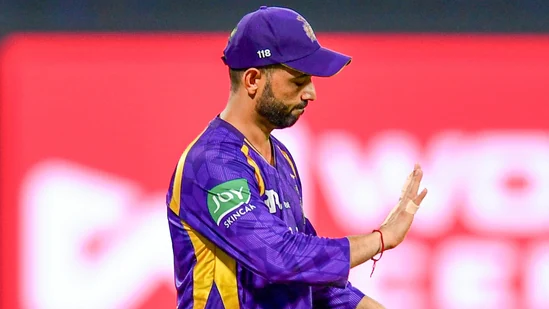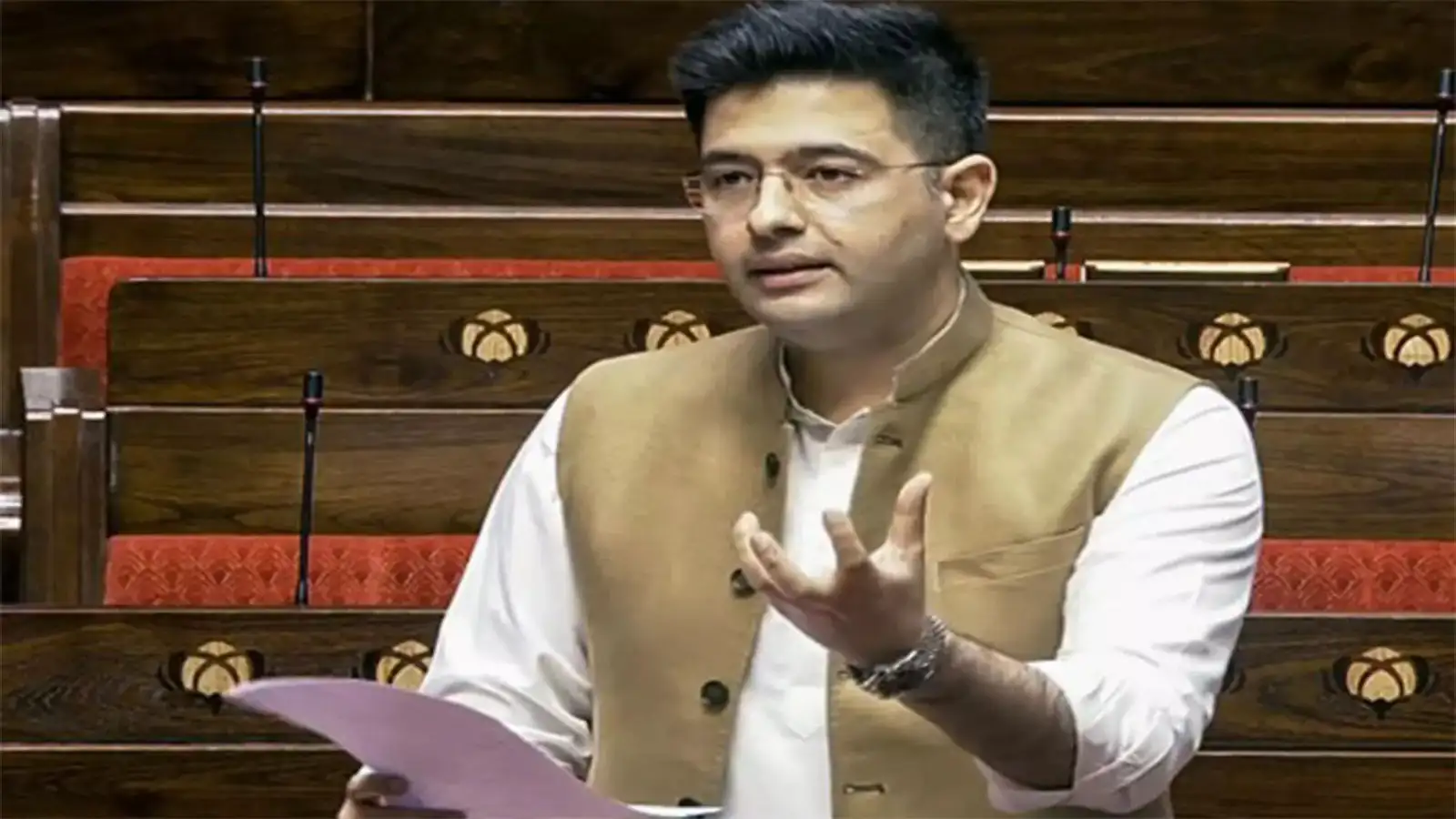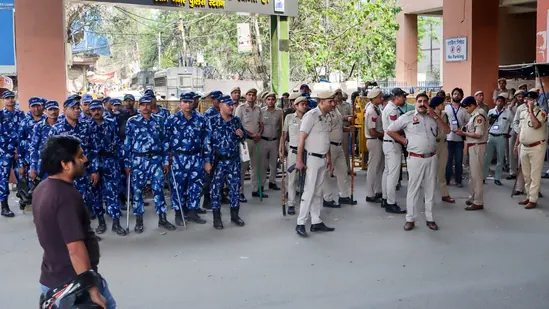



Rapper-singer Aditya Prateek Singh Sisodia, popularly known as Badshah, has landed in controversy following the release of his latest track Tateeree. The song drew sharp criticism, with many alleging that it contained objectionable references to women and minors. Amid mounting backlash, the singer issued a public apology and confirmed that the track had been removed from all platforms. According to ANI, Haryana Police have also stepped up action, removing hundreds of links related to the song across social media.
Haryana Police cracks down on song links
Officials revealed that a total of 857 links have been taken down so far, including 154 videos from YouTube and 703 reels from Instagram. The action came after notices were sent to social media platforms, directing them to remove all versions of the song, including re-uploads and short clips.
Haryana Director General of Police Ajay Singhal stated that any content that undermines the dignity of women and minors will not be tolerated. He added that social media accounts involved in sharing such content could be blocked or restricted, and repeat offenders may face strict legal action.
Additional Director General of Police Shibas Kabiraj also warned users against sharing or creating content linked to the banned song, emphasizing that violations could lead to serious legal consequences.
An FIR has been registered at the Cyber Police Station in Sector-20, Panchkula, and the case is currently under investigation. Police teams are actively monitoring online platforms and identifying individuals involved in circulating the content.
About the song
Tateeree, a Haryanvi hip-hop track released on March 1, 2026, features Badshah along with vocalist Simran Jaglan. The lyrics were penned by Badshah, while the music was composed and produced by Hiten. The music video was directed by Mahi Sandhu and Joban Sandhu, blending modern rap with regional influences.
Last week, the National Commission for Women summoned Badshah and the song’s makers over allegations of obscenity. The Commission stated that the content appeared prima facie objectionable and could violate provisions of the Bharatiya Nyaya Sanhita, the Information Technology Act, and the Indecent Representation of Women (Prohibition) Act, 1986.