

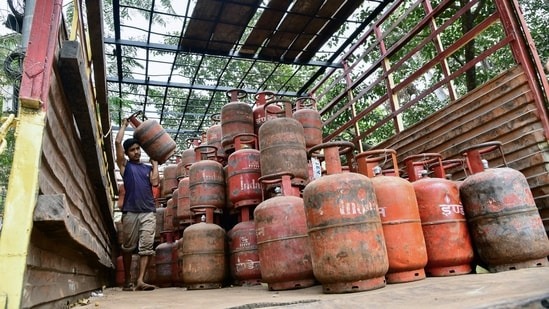

LPG Shortage Begins to Strain Restaurant Operations, Could Impact Retail Rentals
The ongoing shortage of LPG cylinders in parts of India is starting to affect restaurant operations, with many food and beverage outlets reporting reduced kitchen capacity due to irregular cooking gas supplies. Industry experts warn that if the disruption continues for a prolonged period, it could lead to lower revenues for restaurants and eventually trigger rent renegotiations between tenants and landlords in the retail real estate sector.
Restaurant owners say the situation is manageable for now, but a prolonged shortage could force businesses to scale down operations, cut menu items, temporarily shut outlets, or relocate to lower-rent areas.
Restaurants Managing for Now, But Concerns Rising
Industry bodies told Hindustan Times Real Estate that LPG supply disruptions have not yet reached a crisis level nationwide, but several restaurants are already adjusting their operations.
According to Niranjan Shetty, chairman (legal) of the Indian Hotel and Restaurant Association (AHAR), running a restaurant involves multiple operational costs such as employee salaries, electricity bills, taxes and loan repayments.
Shetty said that although business activity remains steady, supply disruptions have forced some restaurants to optimise operations.
“If LPG supply problems continue for weeks or months, it could lead to financial losses not only for restaurants and hotels but also for the broader economy,” he said.
However, he added that it is still too early to assess the full impact, as the shortage has only lasted for a few days so far.
Bengaluru Hotels Warn of Possible Closures
In a statement issued on March 9, the Bangalore Hotels Association said the sudden disruption in LPG supply has created serious challenges for the hospitality sector, despite earlier assurances from oil companies that cooking gas supplies would remain stable for at least 70 days.
The association warned that if supply is not restored soon, several hotels across Bengaluru may be forced to temporarily shut down.
Association president P. C. Rao said even short disruptions in essential supplies can significantly affect restaurants that operate on thin profit margins.
“Restaurants and hotels still have to pay rent, electricity charges, GST and staff salaries regardless of whether they are operating fully,” Rao said, adding that a prolonged shortage could create serious financial stress for many businesses.
Restaurants Switching to Alternatives
Meanwhile, Manpreet Singh, honorary treasurer of the National Restaurant Association of India, said some restaurants in Delhi are already experiencing irregular LPG deliveries.
To cope with the situation, many establishments have begun shifting to alternatives such as piped natural gas and induction cooking.
Restaurants are also modifying menus to include dishes that require less gas or preparing certain items in larger batches using induction appliances.
However, Singh warned that if the crisis continues, rising costs could affect employment, particularly in the unorganised sector.
Potential Impact on Retail Rentals
For now, commercial rents across major retail markets in cities such as Bengaluru and Hyderabad remain stable. However, real estate experts say the situation could change if the supply disruption continues or if global geopolitical tensions escalate.
According to G. Ram Reddy, president-elect of the Confederation of Real Estate Developers’ Associations of India, prolonged operational disruptions could affect business activity and employment.
“If restaurants are forced to temporarily shut down, it will impact local employment and sales. If the situation drags on, some outlets may even close for a while,” he said.
In such cases, tenants may request rent deferments or temporary relief from landlords. However, experts say full rent waivers are unlikely, as the situation does not qualify as a legal force majeure event.
Industry in Wait-and-Watch Mode
With LPG shortages limiting food production and delivery timelines, restaurants could face shrinking profit margins and declining revenues. Some operators may eventually consider downsizing their outlets, relocating to lower-rent areas, or renegotiating lease terms.
For now, however, most businesses are adopting a wait-and-watch approach, as such decisions usually occur only when a large number of tenants are affected.
Comparisons With the COVID-19 Period
Rao noted that the current situation has some similarities to the disruption caused by the COVID-19 pandemic, when many restaurants were forced to vacate their premises due to prolonged closures.
However, he said the current crisis is expected to be short-term.
“During the pandemic, many landlords offered rent waivers and tenants paid only maintenance charges. We hope the current disruption does not reach that level,” he said.
Retail Rental Rates Across Major Cities
Retail rents for restaurants and food outlets remain among the highest in commercial real estate and vary widely by city and location.
In Bengaluru, prime retail spaces can command around ₹500 per sq ft depending on the micro-market. In Mumbai, rentals can go up to ₹1,000 per sq ft in high-demand areas.
Premium retail districts see even higher rates. For example, Khan Market can command rents of up to ₹1,500 per sq ft, while DLF Cyber Hub typically ranges between ₹500 and ₹600 per sq ft.
In Connaught Place, retail rentals generally range between ₹750 and ₹900 per sq ft.